
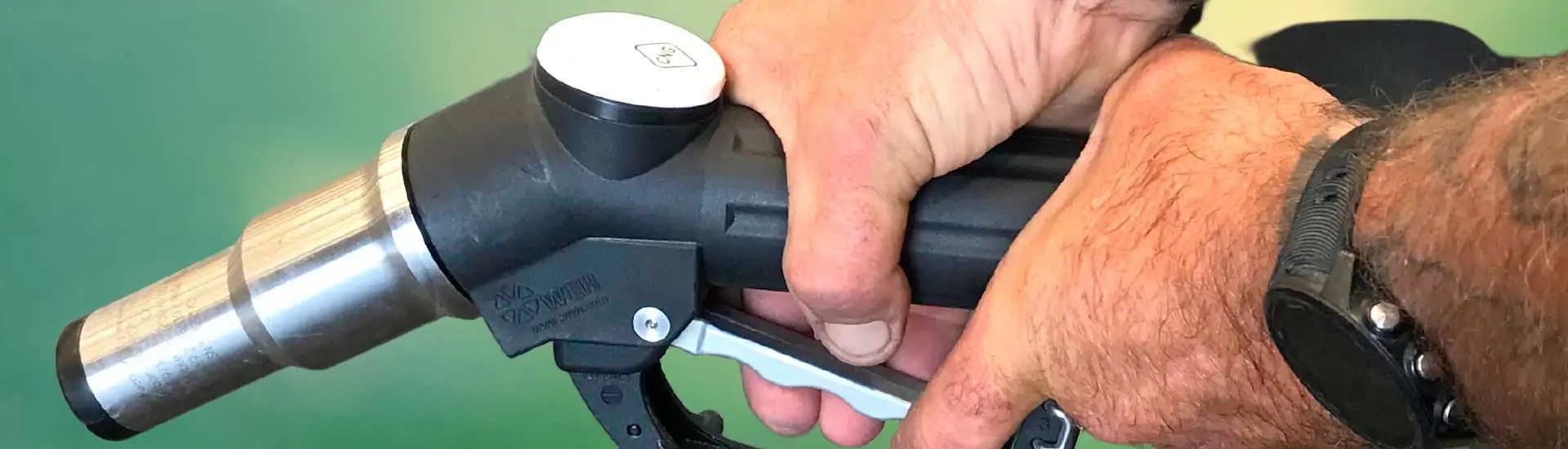
What is BioCNG?
BioCNG is compressed biomethane used as a fuel for transport. In practice, it can be considered the renewable version of CNG: it is used in the same way in vehicles and infrastructure, but has a different origin, as it comes from the transformation and purification of biogas generated from organic waste.
BioCNG = biomethane + compression (for vehicle use).

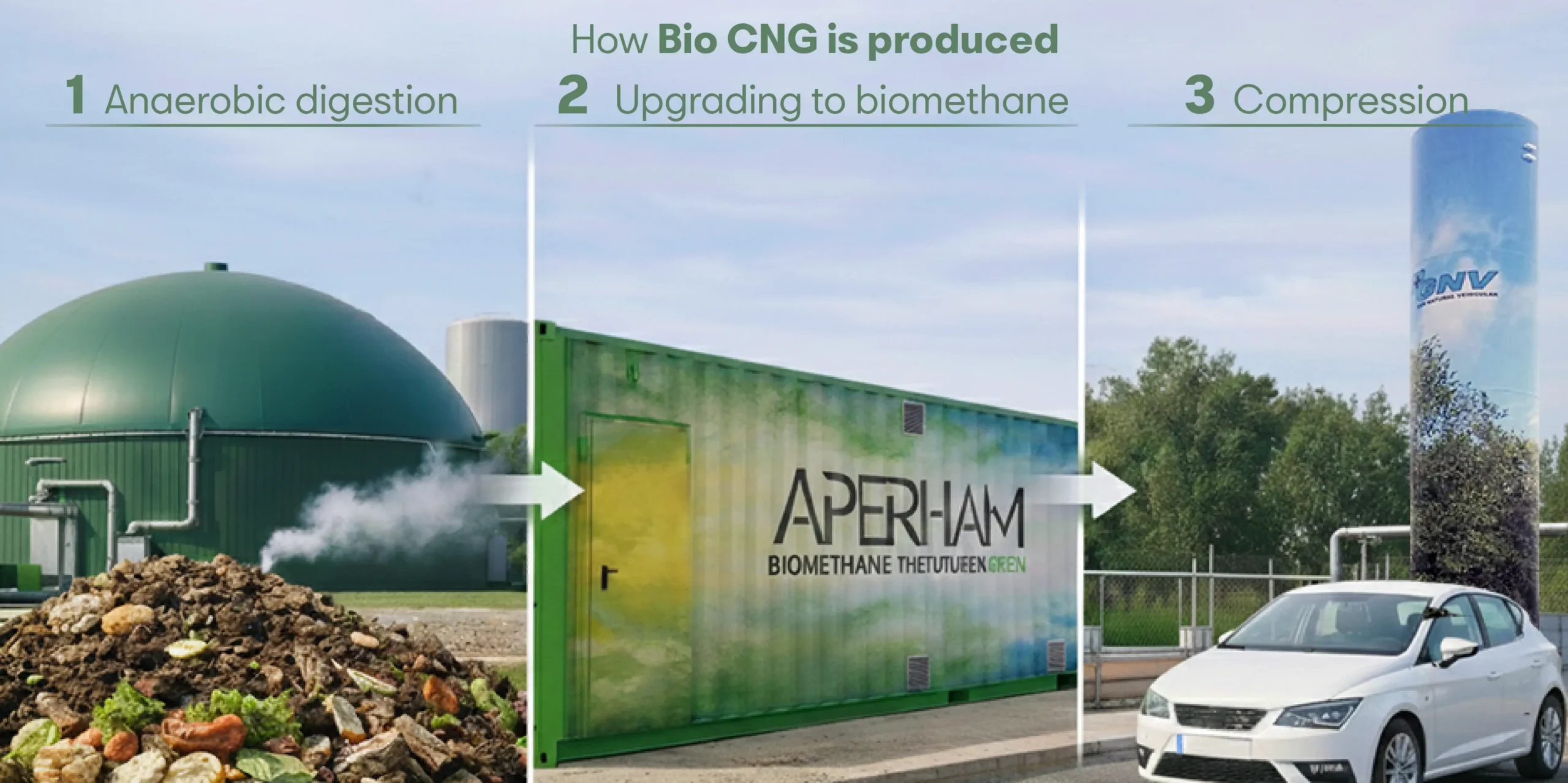
How is BioCNG produced?
From organic waste to biogas
Organic waste (agricultural, agri-food, domestic or industrial) is treated by anaerobic digestion to produce biogas.
Upgrading to biomethane and compression
This biogas is purified using upgrading equipment to increase its quality to high-purity biomethane (suitable for energy use).
The biomethane can then be compressed for use as BioCNG, or used in other formats and supply channels (network, transport, etc.), depending on the project's logistics model.
Advantages of BioCNG for mobility
Emissions reduction and air quality
The use of renewable gases in mobility helps reduce the environmental impact compared to fossil fuels and can help improve air quality in urban environments, especially when replacing more polluting alternatives. At HAM, we work with BioCNG, BioLNG and biomethane as alternative energies for mobility and industry.
Circular economy and waste recovery
BioCNG connects waste management with local energy production: waste is converted into a resource. This promotes the circular economy and can boost activity and employment in the project environment.
Safety and operation similar to CNG
For the operator, BioCNG is integrated into the usual logic of vehicle gas. At stations, refuelling is carried out with the same safety and operating criteria as for natural gas vehicle supply.

Where can you refuel with BioCNG?
Refuelling stations and regular routes
The HAM Group has a network of more than 150 BioCNG and BioLNG refuelling stations, available 24/7/365 and offering the usual payment options.
To plan your routes, you can consult the list of BioCNG refuelling stations and check fuel availability at each location.
HAM card for professionals
At our refuelling stations, you can refuel with the HAM card for professional use (companies and self-employed professionals).
Frequently asked questions about BioCNG
Are BioCNG and biomethane the same thing?
Biomethane is the pure renewable gas obtained after cleaning biogas, while BioCNG is that same biomethane compressed to be used as fuel in vehicles.
Can I use BioCNG in a CNG vehicle?
In general, BioCNG is used in the same family of vehicles and infrastructure as CNG, because the end use is compressed gas for mobility. For specific cases (mixed fleets, contractual requirements), it is advisable to check the manufacturer's specifications and supply availability.
How does it differ from CNG?
How does it differ from BioLNG?
Mainly in format: compressed (BioCNG) versus liquefied (BioLNG), which usually affects range and storage.

Contact the HAM Group
If you would like more information about BioGNC, related to supply, refuelling stations or fleet solutions, please contact our team and we will advise you according to your specific case.